Demand Generation vs Lead Generation: What’s the Real Difference in 2026?
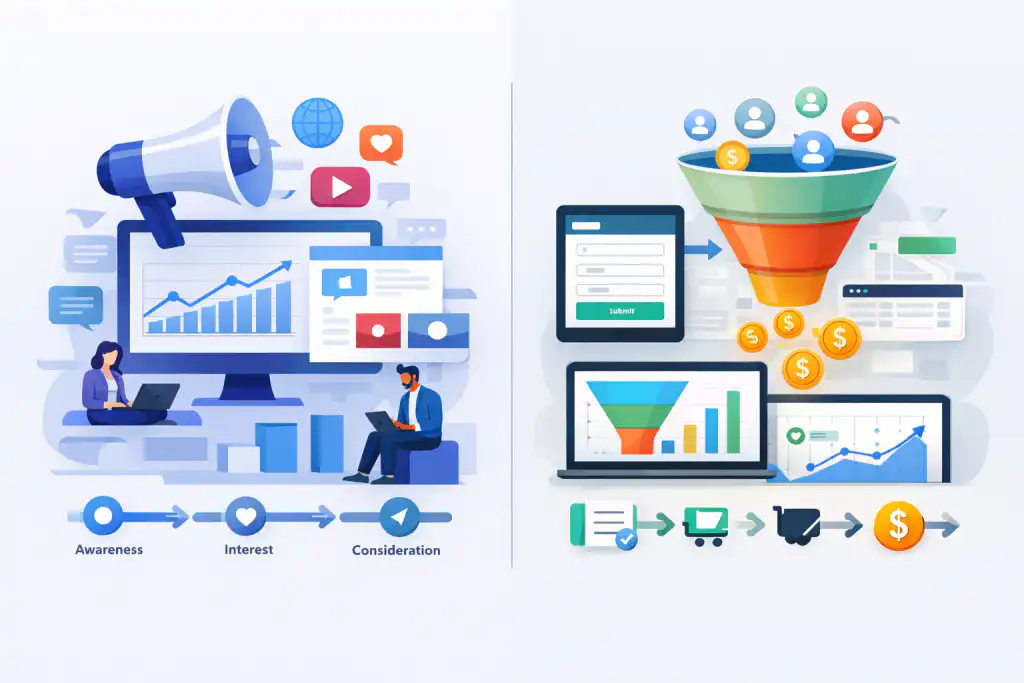
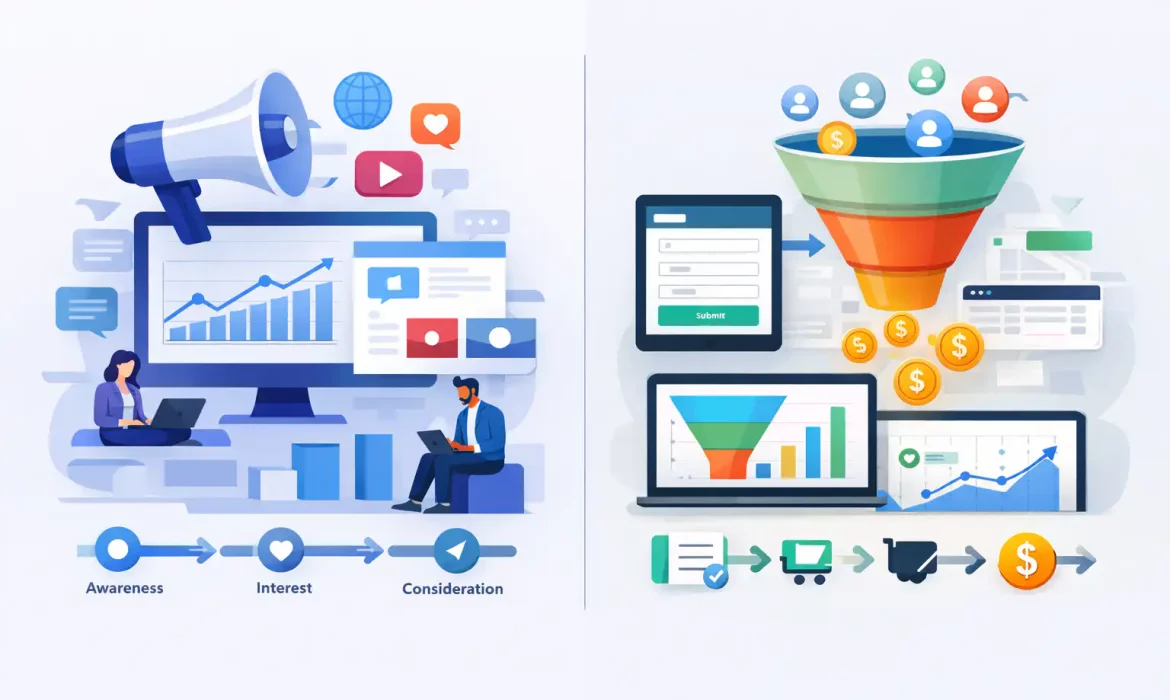
Do you also focus on generating more leads, assuming that more leads automatically translate into more sales? Many businesses think the same, but they don’t understand a foundational truth. Before a lead ever enters a sales pipeline, there must be demand for the solution itself. Demand generation creates that interest in the first place, while lead generation captures and turns it into identifiable prospects.
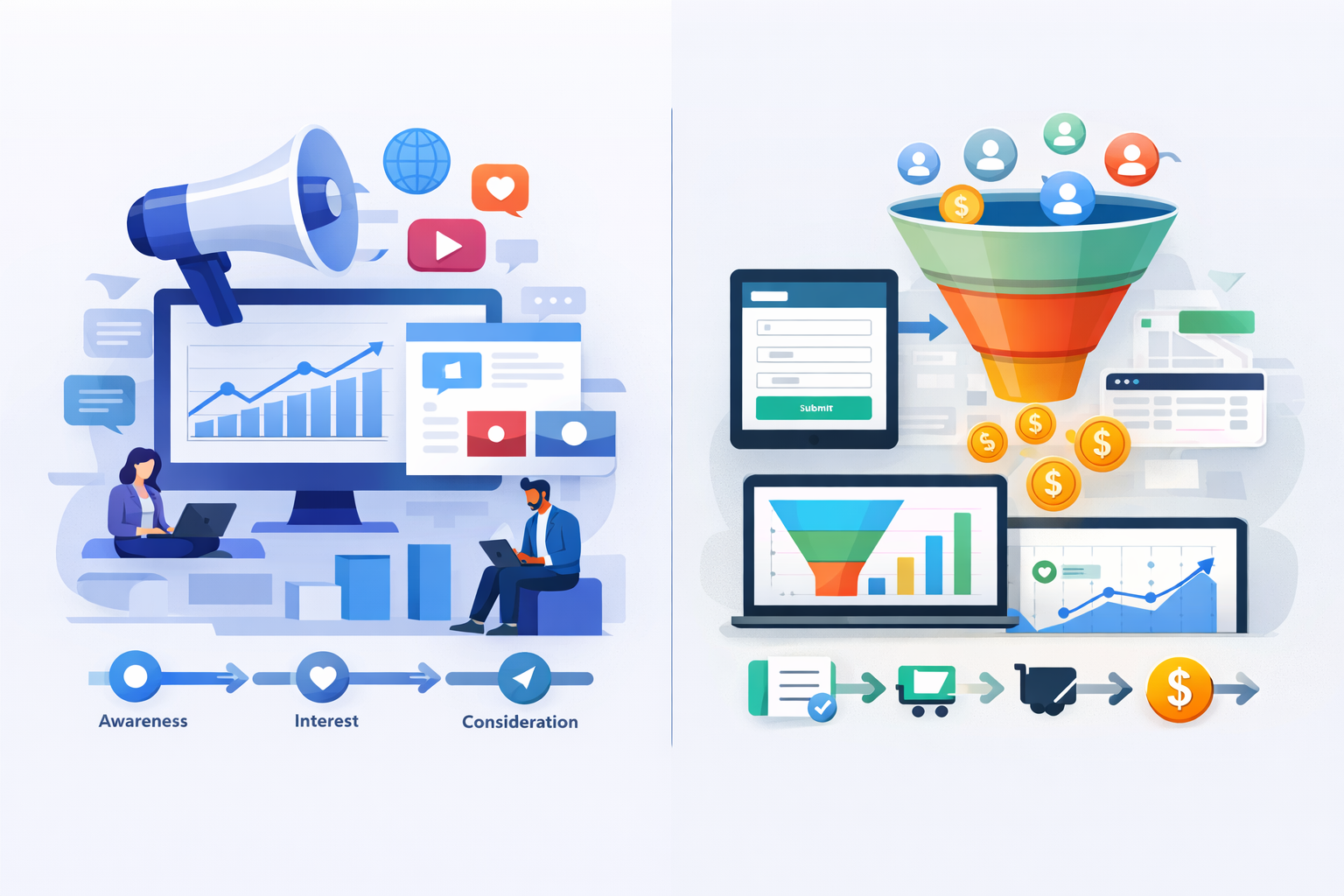
Because both approaches sit within inbound marketing, they are frequently treated as the same strategy. They are not. For businesses seeking faster pipeline results and long-term growth, understanding the difference between demand generation and lead generation is essential. The better you understand these concepts, the better your campaigns, budgets, and success will be.
Why Knowing Difference is the First Step
Understanding the difference is not just about knowing the definition; it also involves understanding how each affects your customer acquisition and revenue generation.
When used interchangeably, your conversion rate drops, and your sales pipeline breaks. This happens because you are pushing users to take action even before they have made a decision.
The confusion impacts three major areas.
- Marketing efficiency drops because campaigns are not aligned with buyer intent. Educational content is forced to behave like conversion content, leading to poor performance metrics.
- Sales teams receive leads that are not properly nurtured. These leads may have shown interest but lack understanding of the problem or solution, resulting in low conversion rates.
- Allocating marketing budget becomes a difficult decision. As a result, you spend heavily on lead-capture campaigns instead of building awareness, which reduces the long-term inflow of qualified demand.
A clear understanding of demand gen vs lead gen helps you structure marketing into stages, ensuring each stage serves a specific purpose and is measured accurately.
What is Demand Generation
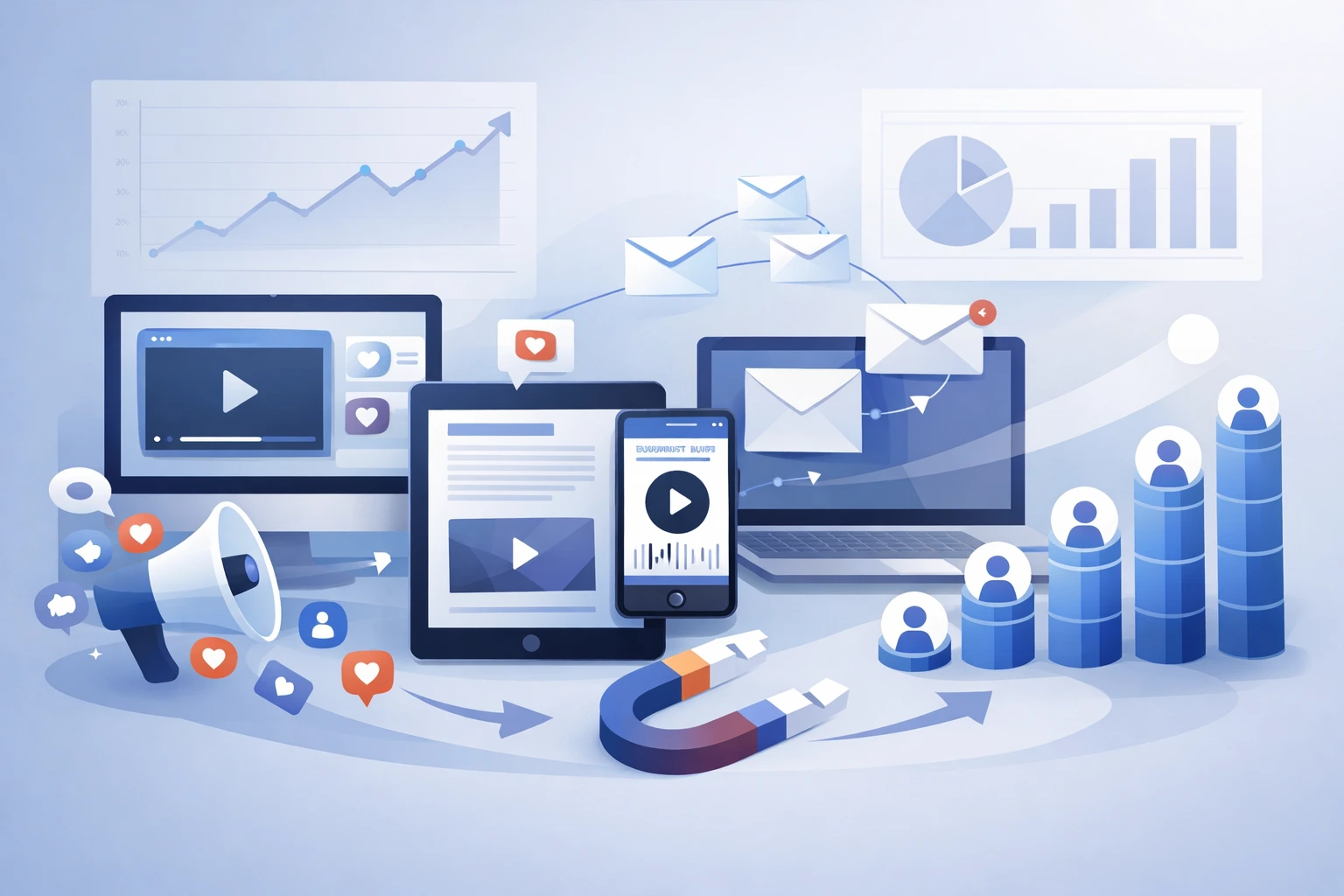
It is a marketing approach that creates awareness, builds trust, and generates interest among the targeted audience. It works by educating users through content and experiences that help them recognize challenges they may not yet fully understand. It positions the brand as a credible source of insight rather than a direct seller.
Demand generation marketing is especially important in industries where buying decisions are complex, involve multiple stakeholders, or require significant research.
Key characteristics of demand generation
- Focuses on education rather than conversion
- Targets broad but relevant audiences
- Builds long-term brand trust and authority
- Works before purchase intent is fully formed
- Supports multiple touchpoints across channels
Benefits of demand generation
- Builds early-stage awareness in untapped audiences
- Improves brand recall when users enter buying cycles
- Increases trust before sales conversations begin
- Creates a steady flow of inbound interest over time
- Improves downstream lead quality
- Reduces reliance on paid lead acquisition campaigns
- Strengthens long-term organic growth through content and visibility
Demand generation doesn’t produce immediate results. It builds the foundation for generating better leads in the future.
What is Lead Generation
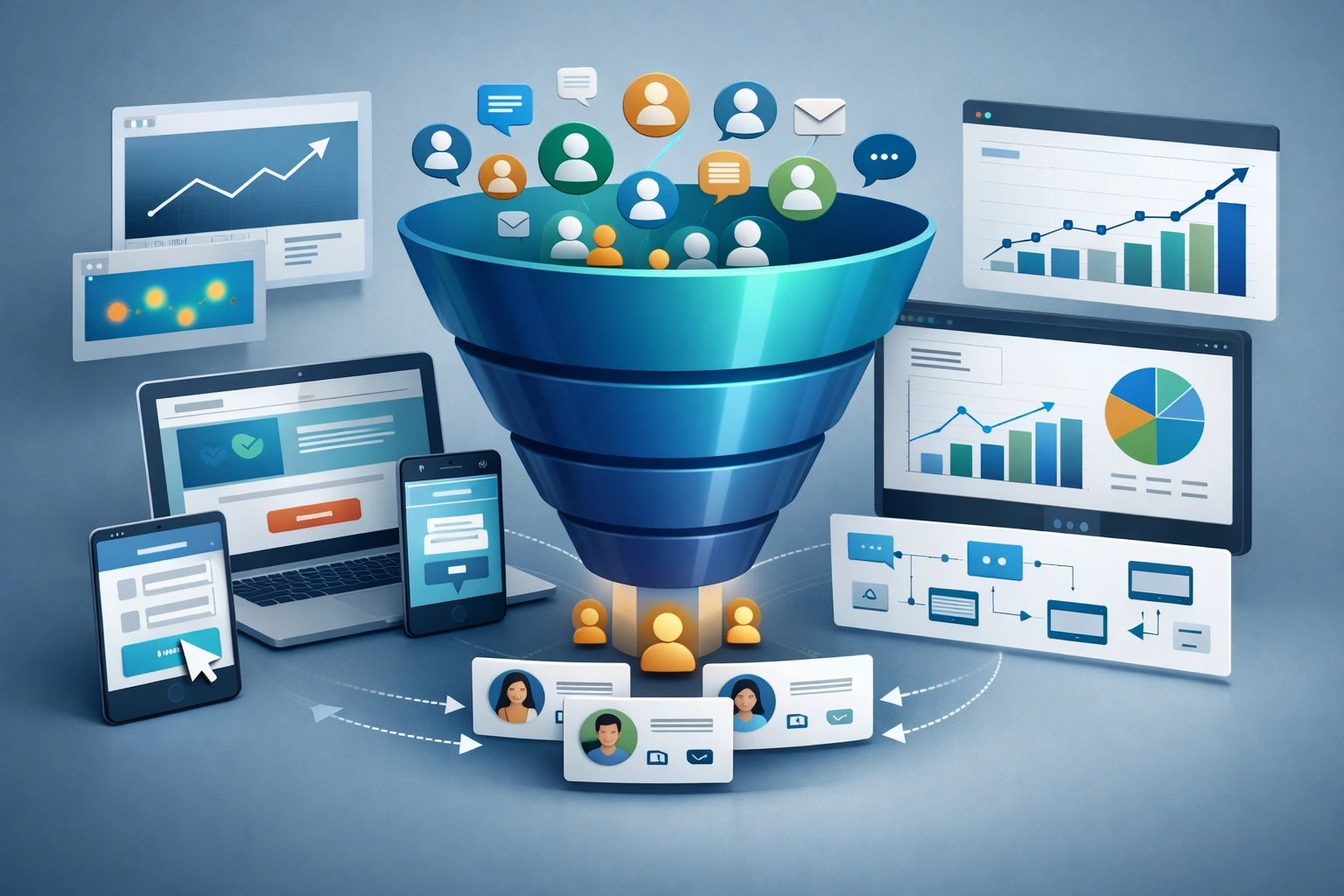
Lead generation is the process of capturing interest from potential customers and converting that interest into identifiable contacts such as email addresses, phone numbers, or form submissions.
Unlike demand generation, lead generation is focused on action and conversion. It works with users who already understand their problem and are evaluating possible solutions.
Lead generation helps businesses move prospects into structured sales pipelines where they can be nurtured and converted into paying customers.
Key characteristics of lead generation
- Focuses on conversion and measurable action
- Targets users with existing intent or awareness
- Uses structured offers to capture contact information
- Enables direct sales follow-up and nurturing
- Works best when demand already exists
Benefits of lead generation
- Produces measurable and trackable results
- Helps build predictable sales pipelines
- Improves sales team efficiency by identifying interested users
- Enables structured nurturing workflows
- Supports short to mid-term revenue goals
- Provides clear performance metrics for optimization
- Helps prioritize high-intent prospects
Lead generation is essential for turning attention into revenue, but it performs best when demand already exists in the market.
How Demand Generation Differs From Lead Generation
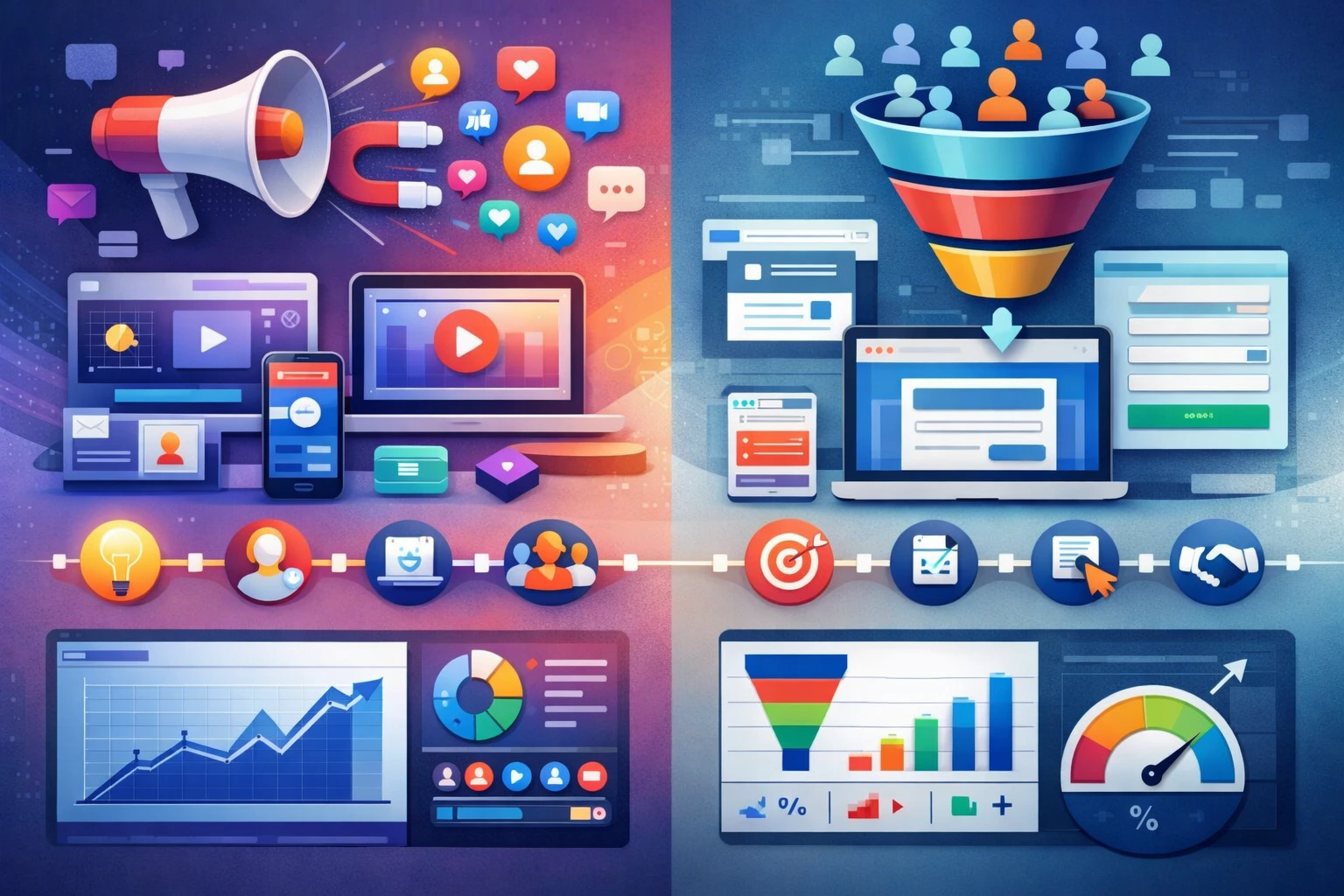
Although both strategies are part of inbound marketing, they serve different purposes at different stages of the customer journey.
-
Funnel stage
Demand generation operates at the top of the funnel (TOFU), where users are discovering problems and exploring ideas. Lead generation operates in the middle (MOFU) and bottom of the funnel (BOFU), where users are evaluating solutions and preparing to make decisions.
-
Goals
Demand generation focuses on building awareness, trust, and long-term interest. Lead generation focuses on capturing user information and converting engagement into sales opportunities.
-
Buyer readiness
Demand generation targets users who may not yet realize they need a solution. Lead generation targets users who already recognize their problem and are actively looking for solutions.
-
Content focus and channels
Demand generation uses educational and informational content that builds understanding. Lead generation uses conversion-focused assets that encourage action.
-
Metrics
Demand generation is measured through engagement and visibility indicators. Lead generation is measured through conversion and revenue indicators.
Comparison Table: Demand Generation Vs Lead Generation
| Aspect | Demand Generation | Lead Generation |
| Funnel stage | Top of funnel | Middle and bottom of funnel |
| Objective | Build awareness and trust | Capture and convert interest |
| Buyer intent | Low or emerging | Medium to high |
| Audience mindset | Problem unaware or learning | Problem aware and solution seeking |
| Content type | Blogs, videos, insights, thought leadership | Landing pages, case studies, demos, webinars |
| Channels | SEO, social media, video platforms, podcasts | Paid ads, email campaigns, landing pages, retargeting |
| Metrics | Reach, impressions, engagement, branded search | Leads, conversion rate, CPL, SQLs |
| Outcome | Educated and aware audience | Sales-ready prospects |
| Time to impact | Long-term | Short to mid-term |
When to Use Demand Generation
Demand generation marketing should be prioritized when the goal is to build awareness and shape market understanding before pushing for conversions.
Use it when you are:
- Introducing a new product or category
- Entering a competitive market with limited differentiation
- Targeting audiences unaware of their problem
- Building long-term brand authority
- Working with long sales cycles
- Expanding into new markets or segments
In these cases, direct lead generation alone is insufficient, as users need to be educated before they can search and compare solutions.
When to Use Lead Generation
Make a lead generation strategy when there is already existing demand for your product/service, and users are actively searching for the brands offering them.
The right time to use this strategy is:
- The market already understands the problem
- Users are comparing vendors or solutions
- The business needs immediate pipeline results
- Conversion-focused campaigns are required
- Sales teams need qualified prospects
- Paid campaigns are driving high-intent traffic
Lead generation helps convert existing attention into measurable business outcomes.
The Best Tactics for Generating Demand
- Topic-led SEO content strategy
Instead of targeting high-intent keywords, this approach focuses on informational search behavior where users are still learning. It builds visibility in early discovery phases and helps shape how users define their problems.
- Short-form educational video content
These videos simplify complex industry problems and help users recognize challenges they were not actively thinking about. Platforms like YouTube, Instagram, and LinkedIn are commonly used for distribution because they support passive consumption and high reach.
This includes opinion-based posts, industry commentary, and insight-driven content that does not sell directly but builds authority and trust over time.
- Organic social distribution
Instead of posting isolated updates, use content series to gradually build context around a problem, helping users connect ideas over time.
- Community engagement
Answer relevant questions on community forums and groups discussing the problems your product is intended to solve. Speak like an expert and share useful insights on the platforms where users are already exploring challenges.
Lead Generation Tactics
These tactics, when used correctly, convert existing interest into measurable actions and capture user information for follow-up and sales engagement.
- High-intent landing page optimization
These pages are structured around a single action, removing distractions and focusing on conversion clarity. They typically align with a specific offer such as a demo, consultation, or product trial.
- Gated content assets
These include downloadable reports, industry benchmarks, templates, or case studies that require users to submit contact information before access. The value exchange is central to this approach.
- Retargeting campaigns
Through retargeting campaigns, you can remind users who have interacted with your brand at least once about your value proposition and guide them back to conversion points after initial engagement.
- Email nurturing sequences
This lead generation strategy plays a key role in moving leads closer to decision-making. Once a user enters the system, structured email flows provide additional context, address objections, and gradually increase intent.
- Webinars and live product sessions
They allow users to engage directly, ask questions, and understand the solution in a structured environment, which increases trust and conversion likelihood.
- Paid search campaigns targeting high-intent queries
These campaigns focus on users actively searching for solutions, making them more likely to convert quickly compared to broader awareness audiences.
The focus of all these lead generation tactics is to reduce decision-making friction and convert existing interest into actionable business opportunities.
Can We Use Both?
Of course! Demand and lead generation are not competing approaches. They are interconnected stages of a complete marketing system.
One builds awareness and trust, and the other captures interest and turns it into measurable opportunities.
A typical journey looks like this. A user first consumes educational content such as a blog, video, or social post. This builds awareness and trust. Later, the same user downloads a guide, attends a webinar, or requests a demo. The first interaction belongs to demand generation. The second belongs to lead generation.
Without demand generation, lead generation often starts with a cold audience that lacks trust or understanding. Without lead generation, demand generation does not translate into measurable revenue impact.
A balanced approach ensures that businesses both create and capture demand effectively.
How We Help You Align These Approaches
We don’t apply the marketing tactics blindly. Instead, we learn about your target audience and map the full buyer journey. Through useful content and visibility strategies, we first educate your audience. Then, lead generation is layered through structured conversion paths such as landing pages, lead magnets, and campaign funnels.
This ensures that every stage of the funnel contributes to both brand growth and revenue generation. Instead of isolated marketing efforts, you get a connected system where awareness feeds conversion and conversion reinforces growth.
Ready to Convert Demands Into Leads? Let’s Connect
Key Takeaways
- Demand generation and lead generation are different stages of the same funnel
- Demand generation builds awareness, trust, and long-term interest
- Lead generation captures interest and converts it into sales opportunities
- Demand generation improves lead quality by educating users early
- Lead generation provides measurable pipeline and revenue visibility
- Demand generation works best for long-term growth and market education
- Lead generation works best for short to mid-term conversion goals
- Both strategies together create a complete and scalable marketing system
FAQs
Is demand generation the same as brand awareness?
No. Brand awareness is one outcome of demand generation. Demand generation also focuses on educating users and shaping their understanding of problems and solutions.
Can lead generation work without demand generation?
Yes, but it is often less effective. Without awareness, users may not trust or understand the value proposition, which reduces conversion rates.
Which is more important for business growth?
Both are important. Demand generation builds the foundation, while lead generation converts that foundation into revenue opportunities.
How long does demand generation take to show results?
Demand generation is a long-term strategy. It may take time to influence measurable pipeline results, but it improves overall marketing efficiency over time.
Why do businesses struggle with low-quality leads?
Low-quality leads often result from skipping demand generation. When users are not educated before entering the funnel, they convert without real intent or understanding.